How Much Does It Cost to Build a Custom Home in Denver in 2026?
A clear breakdown of what drives pricing — and why early alignment matters more than averages.
Most People Are Asking the Wrong Version of This Question
When homeowners search this topic, they’re usually looking for a number.
Cost per square foot.
A range.
A benchmark.
And most builders respond with broad estimates.
But the real issue isn’t finding a number.
It’s understanding what moves the number.
Most budgets don’t break because someone miscalculated math.
They break because cost drivers weren’t surfaced early.
The villain isn’t pricing.
It’s false precision.
What Happens When the Numbers Trail the Design
If cost expectations are set without context:
Design intent gets scaled back late.
Finishes are downgraded under pressure.
Architect-client trust erodes.
Construction begins with financial tension.
In Denver’s evolving construction market, clarity is more valuable than averages.
The Reality of 2026 Custom Home Pricing in Denver
For architect-led custom homes in Denver and the Front Range in 2026, construction costs typically fall within:
$425 – $550 per square foot
(for well-designed homes on standard lots)
$550 – $750+ per square foot
(for high-detail, modern, or hillside homes with structural complexity and large-format glazing)
These figures reflect construction only — not land, architectural fees, engineering, permitting, or site acquisition.
But square footage alone does not determine cost.
Complexity does.
What Actually Moves the Number
Structural Intensity
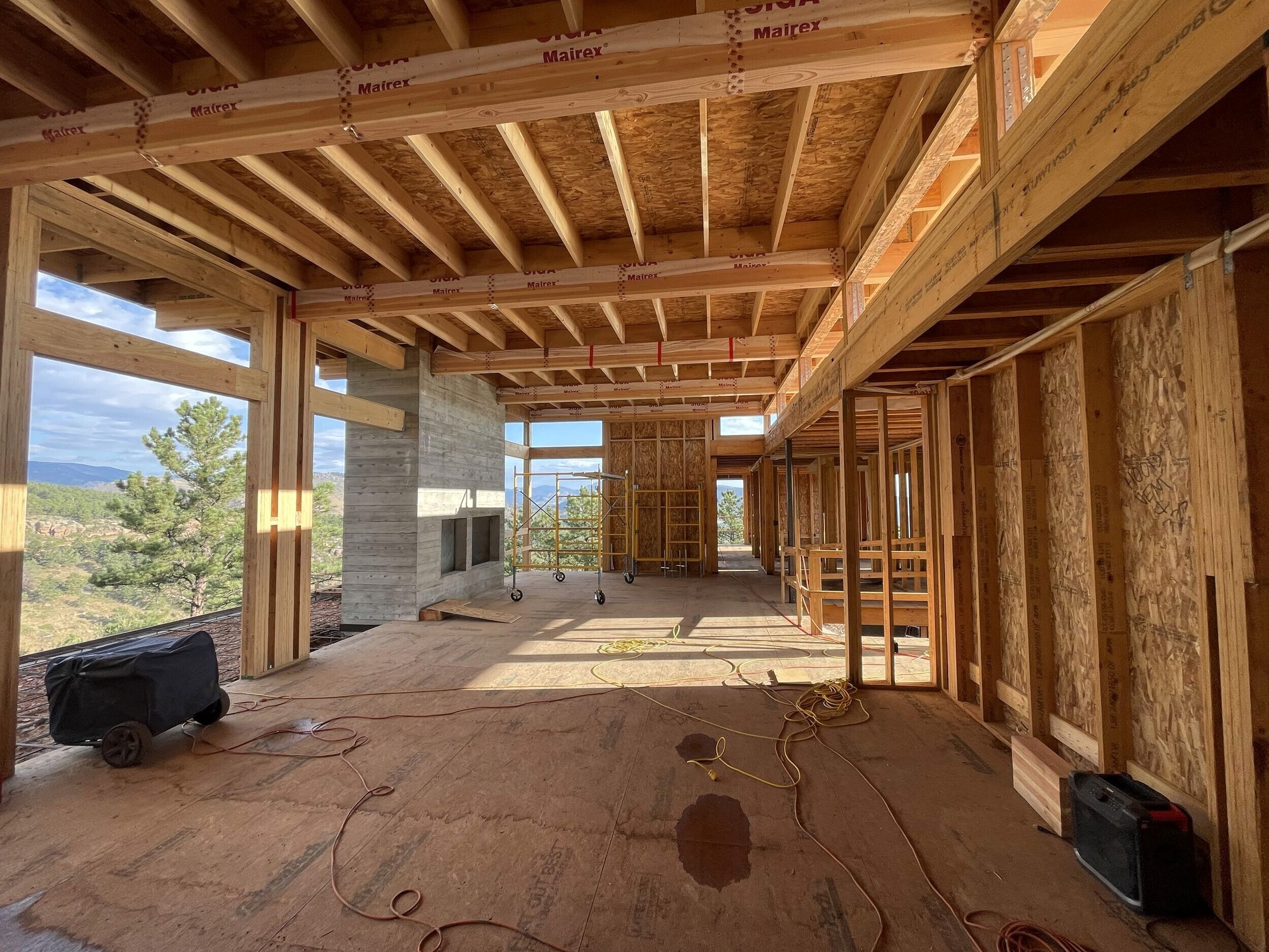
Flat lot with conventional framing? Predictable.
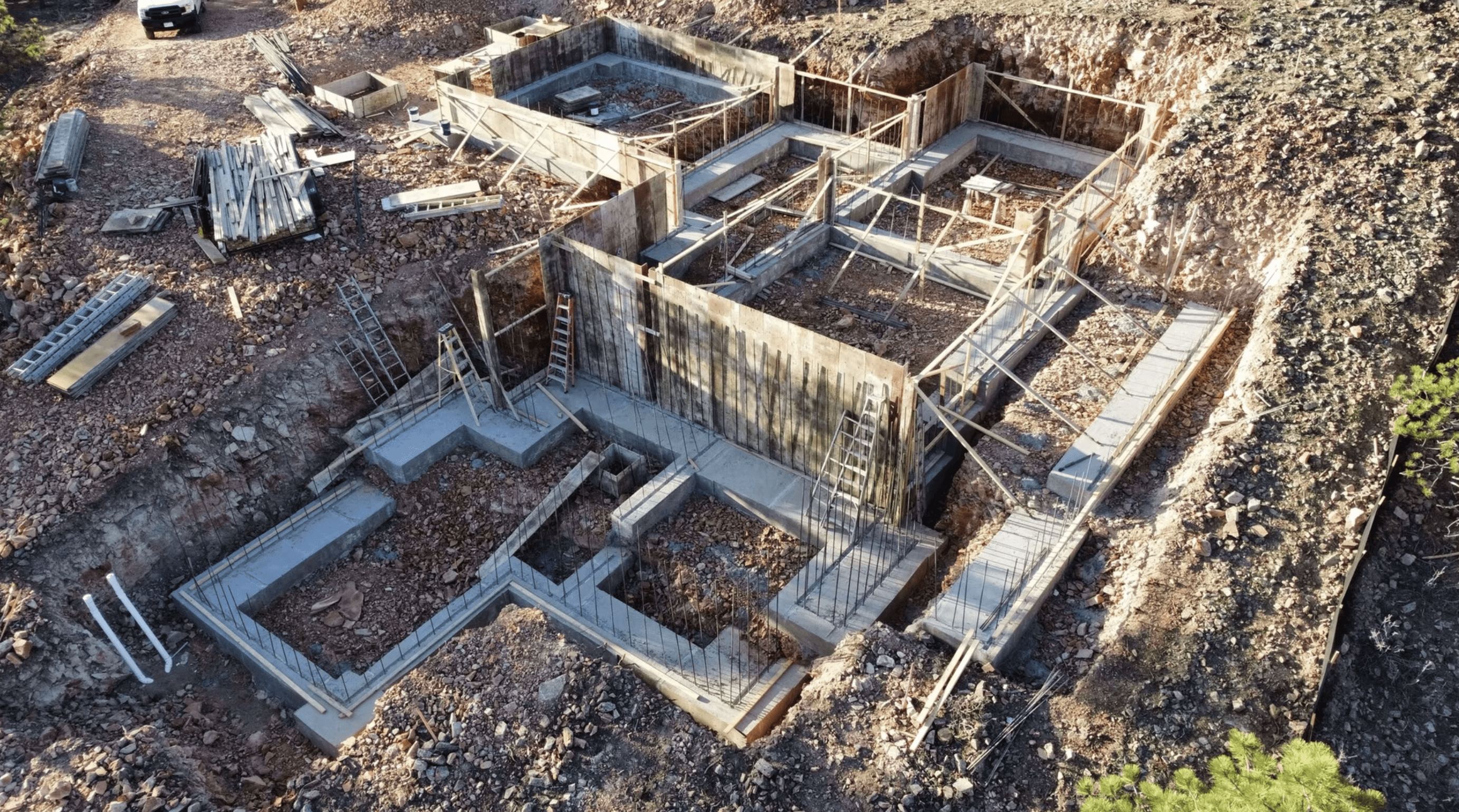
Hillside lot with deep foundations and structural steel?
Very different equation.
Caissons, retaining systems, and moment frames can materially shift overall cost.
Glazing and Envelope Strategy
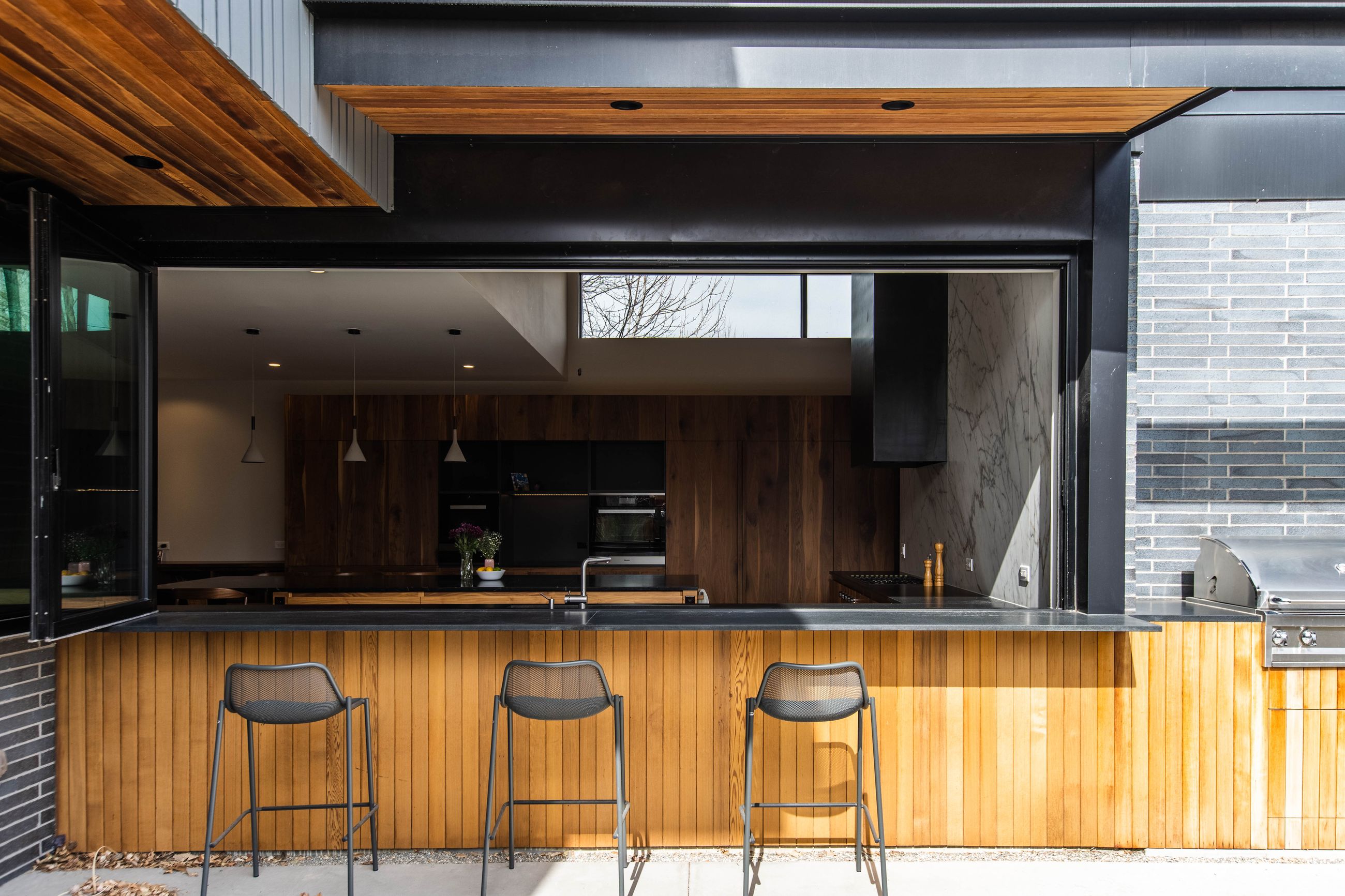
Large-format windows.
Corner glass conditions.
Minimalist frame systems.
High-performance assemblies.
In Colorado’s climate, energy code compliance and glazing performance standards are not optional.
Window and door packages alone can vary dramatically depending on specification.
Energy Code and Mechanical Integration
Colorado energy codes continue to evolve.
High-performance insulation assemblies.
Advanced HVAC systems.
Enhanced air sealing.
ERV / HRV systems.
Design-forward homes often demand elevated performance — and that performance requires thoughtful integration.
Mechanical systems in architect-led homes are rarely “standard.”
Interior Craft Depth
Millwork.
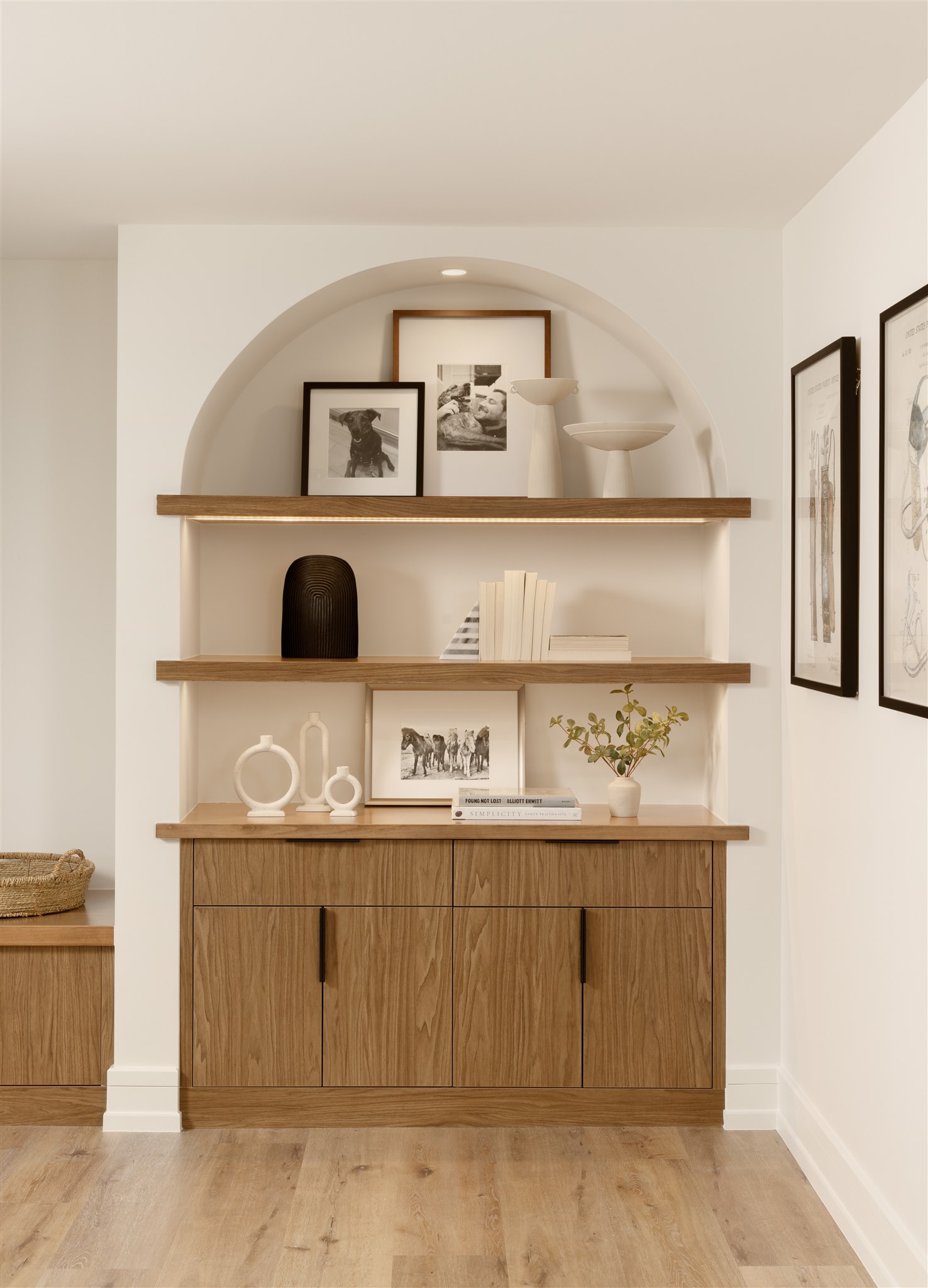
Custom cabinetry.
Stair fabrication.
Stone selection.
Lighting infrastructure.
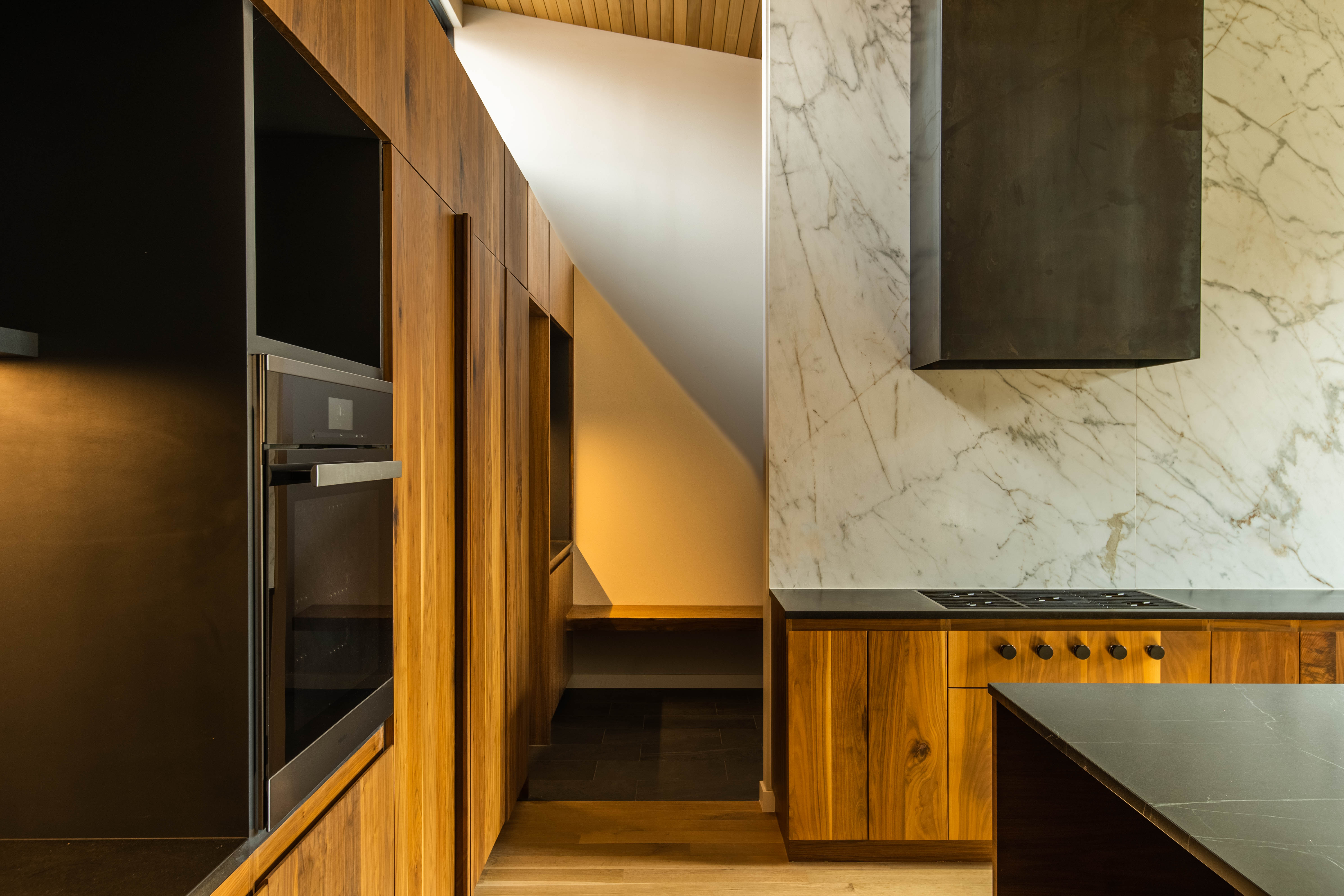
A restrained home can still carry premium craftsmanship behind the walls.
Finish scope depth changes everything.
Site Conditions and Access
In areas like Golden, Evergreen, or foothill-adjacent neighborhoods:
• Limited access impacts crane placement
• Soil conditions influence foundation systems
• Drainage strategy requires engineering precision
Site logistics are often underestimated in early budgets.
Why Cost Per Square Foot Alone Fails
Two 5,000 square foot homes can vary by over $1 million in cost.
Why?
Because square footage measures size.
It does not measure:
• Structural complexity
• Glazing ratio
• Envelope detailing
• Interior tolerance levels
• Site difficulty
Cost modeling must align with drawings — not averages.
Where Our Approach Begins to Differ
Most builders provide a range once drawings are substantially complete.
We enter the process much earlier.
Early Concept & Schematic Alignment
During Concept and early Schematic Design, we provide Rough Order of Magnitude (ROM) pricing.
This includes:
• Structural system comparisons
• Envelope performance cost implications
• Preliminary site cost forecasting
• Budget alignment with target investment
This gives the architect financial guardrails without restricting creativity.
Design evolves — but within informed boundaries.
Structured Preconstruction During Design Development
Once under a preconstruction agreement, we move from ROM to refinement.
We collaborate directly with the architect to:
• Analyze cost drivers
• Strategically value engineer
• Preserve high-impact design features
• Optimize where investment matters most
Value engineering at this stage protects design integrity rather than reducing it.
Real-Time Trade Pricing, Not Placeholder Allowances
Here is where many projects begin to separate.
Rather than relying solely on historical internal data, we request and collect actual pricing from our subcontractor network based on the evolving drawings.
Framing.
Steel.
Glazing systems.
Mechanical infrastructure.
Electrical distribution.
Millwork packages.
As drawings evolve, pricing evolves.
The homeowner is never guessing.
Transparency is built into the process — not introduced after tension.
Where Budgets Typically Drift
In Denver architect-led homes, the largest adjustments tend to occur when:
• Glazing dimensions increase after Schematic
• Structural steel expands during engineering
• Mechanical systems upgrade for performance
• Interior detailing deepens late in design
These are not mistakes.
They are natural refinements.
The difference is whether pricing keeps pace with those refinements — or trails them.
Timing, not ambition, determines stability.
If You’re Planning a Custom Home in 2026
Start by defining your investment range.
Engage your builder during Schematic Design.
Expect cost modeling to evolve with drawings.
Avoid relying solely on square-foot averages.
Early clarity creates calm projects.
The Conversation Starts Here
If you are in Concept or Schematic Design and want clarity around feasibility, cost alignment, or preconstruction strategy, we offer complimentary project reviews.
We collaborate with architects and homeowners across Denver and the Front Range to provide early ROM pricing and structured preconstruction planning.
Thinking About Your Next Project?
We collaborate with architects and homeowners early to align vision, cost, and execution.
If you’re exploring a custom home in Denver, let’s introduce clarity from the beginning.